
The presence of pests in educational environments has become a growing public health concern across schools, colleges, and universities. Research from the Centers for Disease Control and Prevention shows that environmental conditions inside buildings can influence respiratory health, food safety, and student well-being. As campuses expand and student populations grow, educational institutions increasingly include sanitation, environmental awareness, and pest prevention topics within broader public health education programs.
Educational administrators are paying closer attention to how pest activity affects daily campus operations. Ant infestations, rodents, cockroaches, and other pests can disrupt classrooms, contaminate food preparation areas, and damage facilities. Property managers and maintenance departments often work with sanitation experts and local resources such as an ant exterminator Buffalo. Schools may consult these resources when addressing recurring infestations in cafeterias, dormitories, or storage areas. These practical discussions are now becoming part of lessons related to hygiene, environmental science, and community health.
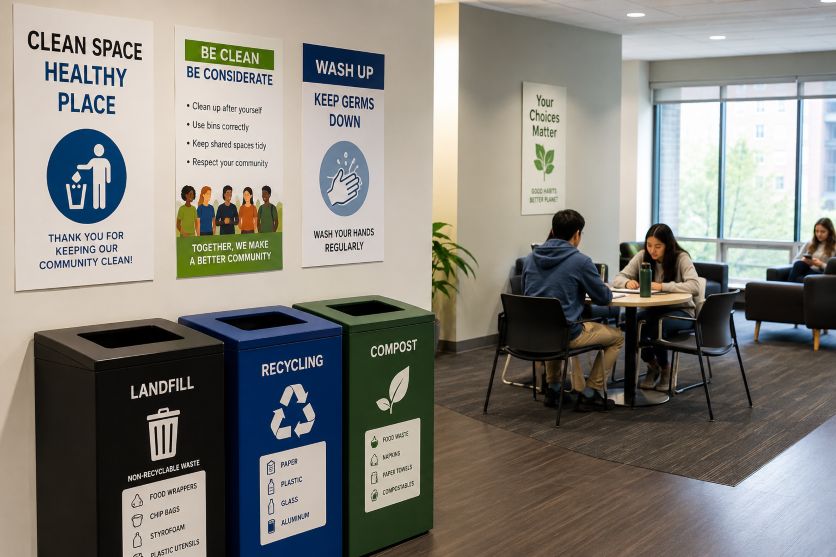
Why Pest Awareness Has Become Part of Public Health Education
Public health education has evolved beyond topics such as nutrition and disease prevention. Modern health programs now examine how physical environments affect human wellness. Pest awareness fits naturally into this broader conversation because infestations can contribute to allergic reactions, asthma triggers, food contamination, and structural sanitation problems.
Data from the Environmental Protection Agency indicates that integrated pest management strategies help reduce unnecessary pesticide exposure while improving sanitation outcomes in schools. Many educational systems now teach students how prevention methods such as proper waste disposal, moisture control, and food storage reduce the likelihood of infestations before they begin.
These lessons are especially relevant in large educational settings where thousands of students share classrooms, cafeterias, athletic facilities, and residence halls. Even minor sanitation lapses can create environments where insects and rodents thrive. Public health educators increasingly use real-world examples to help students understand the connection between cleanliness, infrastructure maintenance, and disease prevention.
Classrooms and Dormitories Face Unique Environmental Challenges
Schools and universities operate almost continuously during the academic year. Heavy foot traffic, shared facilities, and large-scale food service operations create ideal conditions for pest activity if maintenance standards decline. Experts from the National Center for Healthy Housing note that cluttered storage areas, water leaks, and improperly sealed buildings are among the most common contributors to infestations in institutional settings.
Classrooms themselves may seem low-risk compared to kitchens or cafeterias, but food consumption inside learning spaces can attract ants and other insects. Snack wrappers left overnight, spills under desks, and overflowing trash containers create small but persistent sources of food. Over time, pests establish trails and nesting areas inside walls, ceilings, or utility spaces.
Dormitories introduce additional challenges because students often store food in personal rooms. Mini refrigerators, microwaves, and shared bathrooms increase moisture levels and create more opportunities for insects to spread between rooms. Universities frequently include residence hall sanitation policies in student orientation materials because preventative education helps reduce long-term maintenance problems.
Cafeterias and Food Service Areas Require Constant Monitoring
Food preparation and dining areas remain among the most sensitive locations on any campus. The U.S. Food and Drug Administration emphasizes that pests can compromise food safety through contamination of surfaces, ingredients, and storage containers. Educational institutions therefore place strong emphasis on cleaning schedules, waste management systems, and routine inspections.
Ants are particularly difficult to manage in food service environments because colonies can spread quickly once a stable food source becomes available. Tiny cracks near sinks, utility lines, and wall joints allow insects to travel unnoticed between kitchens and storage rooms. Maintenance personnel are often trained to identify early warning signs such as ant trails, moisture accumulation, or structural gaps.
Many schools now use integrated pest management principles rather than relying solely on chemical treatments. This approach focuses on prevention first. Sealing entry points, improving ventilation, repairing plumbing leaks, and monitoring food waste can significantly reduce infestation risks while minimizing chemical exposure in student areas.
Educational Programs Often Connect Science With Everyday Hygiene
Pest awareness programs also serve a broader educational purpose. Teachers and campus health departments increasingly use sanitation topics to connect biology, environmental science, and public health concepts with everyday life. Students learn how ecosystems function, why pests seek food and water indoors, and how human behavior affects environmental conditions.
Research published by the American Public Health Association suggests that environmental health education improves awareness of preventable risks in shared community spaces. Schools often integrate these lessons into science labs, health seminars, or sustainability initiatives that encourage students to participate in maintaining cleaner facilities. Discussions around organized environments also connect with broader educational findings about concentration and productivity. Studies exploring how organized study areas boost learning and focus further support the idea that clean, well-maintained spaces contribute to healthier and more effective educational environments.
For younger students, lessons may focus on basic hygiene habits such as cleaning lunch areas or disposing of trash properly. University-level discussions may explore urban pest management, housing infrastructure, or the relationship between sanitation and disease transmission. These educational efforts help students understand that public health extends beyond hospitals and clinics.
The Role of Maintenance Teams and Local Professionals
Educational institutions rarely handle pest concerns through classroom education alone. Facility managers, custodial departments, and environmental health teams work together to monitor conditions across campus buildings. Routine inspections allow schools to address minor problems before they become widespread infestations.
Local pest management professionals often assist campuses when infestations become difficult to control internally. Their role may include identifying colony locations, evaluating sanitation risks, and recommending prevention strategies tailored to high-traffic educational environments. Ant control specialists, rodent prevention teams, and sanitation consultants may all contribute to maintaining healthier campus facilities.
Public health experts note that communication between maintenance staff and students also plays an important role. Quick reporting systems for leaks, spills, or visible pest activity help reduce delays in treatment. Some universities even provide digital reporting platforms where students can notify housing departments about sanitation concerns in residence halls.
Awareness Education Supports Long-Term Healthier Campuses
Pest awareness education reflects a larger shift toward preventative public health practices in schools and universities. Instead of reacting only after infestations occur, institutions increasingly teach students and staff how environmental conditions contribute to sanitation risks in the first place.
Research from the World Health Organization shows that healthy indoor environments support better concentration, attendance, and overall well-being. Clean classrooms, properly maintained cafeterias, and well-managed residential facilities contribute to safer learning conditions for both students and employees.
Educational programs that address sanitation and pest prevention also encourage shared responsibility. Students become more aware of how simple daily habits such as proper food storage, waste disposal, and reporting maintenance problems can influence community health outcomes.
As schools continue expanding public health education initiatives, pest awareness remains an increasingly practical topic. From elementary classrooms to university dormitories, understanding how infestations develop and how preventative measures work helps institutions create healthier, more sustainable learning environments for everyone on campus.