
Virtual game economies move billions of dollars each year, driven by players trading items that exist only as data. These markets shift daily. Prices rise and fall. Scarcity appears and disappears. For many players, this is their first hands-on exposure to how markets actually behave.
Platforms where players trade items create a quiet learning space. When someone decides to buy D2r items, they are making choices shaped by supply, demand, timing, and trust. There is no textbook involved. The lessons come from watching prices change, noticing what sells fast, and learning which items hold value over time.
Scarcity Becomes Easy to Understand
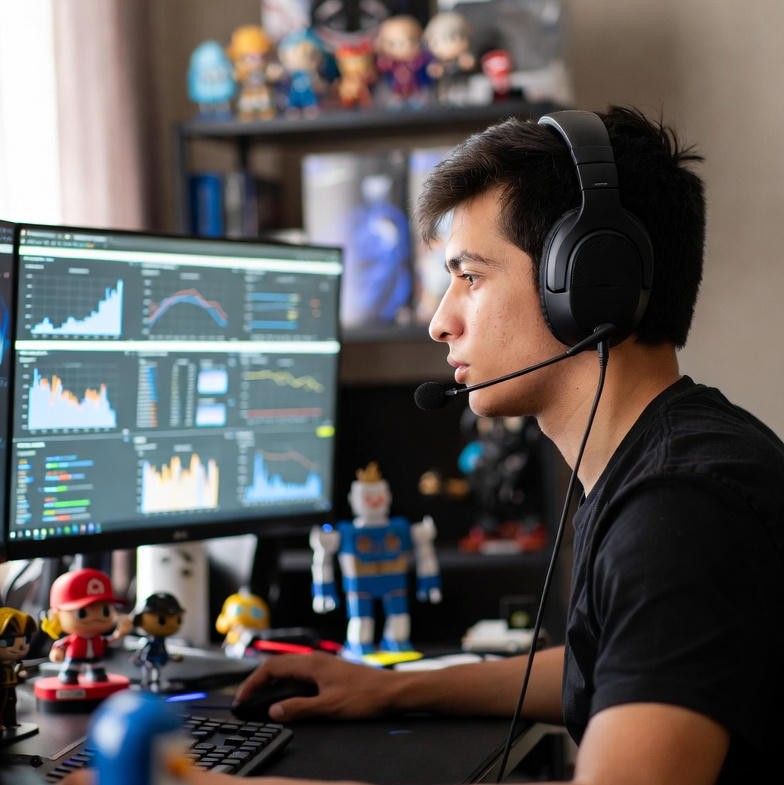
Economics often starts with scarcity, and games show it clearly. Some items drop rarely. Others flood the market after balance changes or seasonal events. Players quickly see that rarity alone does not guarantee value. Demand matters just as much. A rare item nobody wants sits unsold, while a useful item with steady demand keeps its price.
This mirrors real markets. Limited supply creates pressure, but only when people care. Gamers learn this without formal theory. They feel it when an item spikes after a patch or crashes when a better option appears.
Demand Cycles Feel Personal
Demand in gaming moves in waves. New seasons, updates, and character builds drive sudden interest. A rune or weapon may surge one week and cool off the next. Players who watch these cycles gain an instinct for timing.
This is the same pattern seen in fashion, stocks, or collectibles. Early buyers take risks. Late buyers pay more. Gamers experience this firsthand when they hesitate and see prices climb, or rush in and watch values drop.
Inflation Shows Up Fast
Game economies make inflation visible. When currency becomes easier to earn, prices rise. Players notice that yesterday’s budget item costs more today. Developers adjust drop rates or sinks to control this, much like central banks manage money supply.
Through trading, players learn that more currency does not mean more value. It can mean higher prices. That idea sticks because it affects their choices directly.
Risk Is Part of Every Trade
No marketplace is free of risk. Prices change. Demand fades. An item bought for one purpose may lose value if the meta shifts. Players who trade regularly learn to weigh these risks.
Some choose stability, focusing on items with steady demand. Others chase spikes, hoping to profit from short-term trends. When players decide to buy D2r items during uncertain periods, they are making the same kind of judgment calls investors make every day.
Trust and Reputation Matter
Markets rely on trust. Players quickly learn to value clear rules, reliable delivery, and transparent pricing. A smooth transaction builds confidence. A bad experience spreads fast through communities.
This awareness carries over to real life. Gamers become more careful consumers. They look for signals of reliability, read feedback, and understand that reputation has economic weight.
Value Goes Beyond Price
One of the strongest lessons gaming markets teach is that value is personal. An item might be cheap but useless to one player and priceless to another. Time saved, progress gained, or enjoyment unlocked all factor into perceived worth.
This helps players understand opportunity cost. Spending resources one way means giving up another option. That choice becomes clearer when progress is on the line.
READ ALSO: The Power of Play – How Gaming Enhances Education and Entertainment
A Classroom Without Walls
Gaming marketplaces function like open labs. Players test ideas, make mistakes, and adjust. There are no lectures, yet the learning sticks because it is tied to experience.
By the time players finish trading, many have absorbed core economic ideas. Scarcity, inflation, volatility, and risk are no longer abstract. They are familiar patterns shaped by decisions, including when to buy D2r items and when to wait.